
Accurate occlusion analysis is an important part of modern dentistry. Whether you are working on crowns, bridges, veneers, implants, dentures, splints, or full-mouth rehabilitation, understanding the patient’s bite can help support better comfort, function, and long-term treatment results.
For years, dental professionals have used traditional occlusion analysis methods such as articulating paper and foils. These tools are simple, affordable, and familiar in everyday clinical practice. However, with the growth of digital dentistry, advanced systems like Bausch OccluSense® are helping dentists record, evaluate, and document occlusal pressure with greater detail.
So, which option is right for your dental practice, traditional occlusion analysis or digital occlusion analysis?
What Is Traditional Occlusion Analysis?
Traditional occlusion analysis uses materials such as articulating paper, occlusion foils, and marking strips to identify contact points between the upper and lower teeth. When the patient bites down, the material leaves visible marks on the occlusal surface.
These marks help the dentist understand where the teeth are making contact and where adjustments may be needed.
Traditional occlusion indicators are commonly used in crown and bridge adjustments, restorative dentistry, denture adjustments, orthodontic checks, general bite correction, and routine dental procedures.
This method is still widely used because it is quick, familiar, and practical for chairside use.
Benefits of Traditional Occlusion Analysis
Traditional occlusion materials are easy to use and do not require digital setup. Dentists can quickly identify contact areas and make immediate adjustments during treatment.
They are also cost-effective and suitable for routine procedures where a basic visual indication of occlusal contact is enough.
For dental practices that need a simple bite-checking method, traditional articulating paper remains a reliable option.
Limitations of Traditional Occlusion Analysis
While traditional methods are helpful, they also have limitations. Articulating paper shows where contact happens, but it does not accurately measure the intensity, timing, or distribution of bite force.
A dark or large mark does not always mean that the contact has the highest pressure. Similarly, a smaller mark may still represent a clinically important force point.
This means the final interpretation depends heavily on the dentist’s clinical experience. Traditional methods also provide limited digital documentation, making it harder to compare before-and-after results or explain bite issues clearly to patients.
For complex restorative, implant, or prosthetic cases, this can be a major drawback.
What Is Digital Occlusion Analysis?
Digital occlusion analysis uses sensor-based technology to record bite force and display occlusal pressure data visually. Instead of relying only on contact marks, digital systems help dentists understand how force is distributed across the bite.
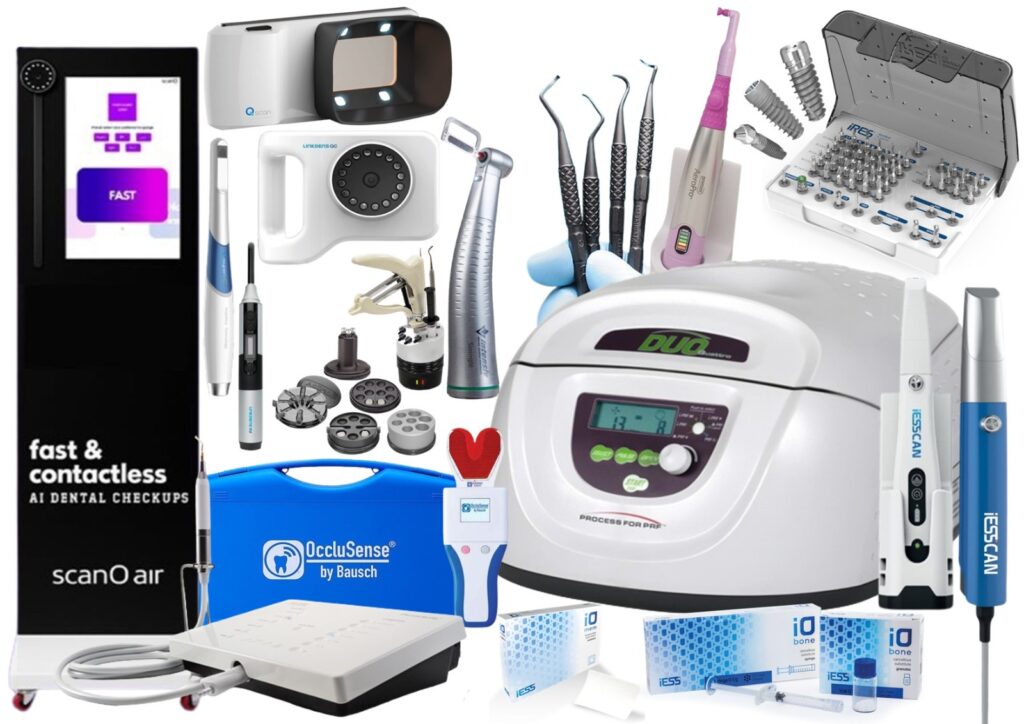
One advanced example is Bausch OccluSense®. It is a digital occlusion analysis system designed to record both static and dynamic occlusion. The OccluSense® pressure sensor is thin, flexible, and color-coated, allowing it to mark occlusal contacts while also recording masticatory forces digitally.
The recorded data can be transferred to the OccluSense® iPad app, where dentists can evaluate, organize, compare, and export occlusal recordings.
Benefits of Digital Occlusion Analysis
Digital occlusion analysis provides a more detailed view of the patient’s bite. It helps dentists identify not only where the teeth are touching, but also how much pressure is being applied and how the bite changes during movement.
This is especially useful in implant dentistry, full-mouth rehabilitation, crown and bridge cases, veneer and smile makeover cases, TMJ-related assessments, denture and prosthetic adjustments, orthodontic treatment planning, and complex occlusal balancing.
With digital bite force analysis, dentists can make more informed clinical decisions and improve documentation for each case.
Why Bausch OccluSense® Is a Modern Solution
Bausch OccluSense® combines the familiarity of traditional occlusion marking with the benefits of digital pressure analysis.
The OccluSense® sensor is designed to be used like articulating paper, making it easy for dental professionals to integrate into their existing workflow. At the same time, it records occlusal pressure digitally, allowing dentists to review pressure levels and compare results over time.
This makes OccluSense® a valuable tool for practices that want to move toward digital dentistry without completely changing their clinical process.
Traditional vs Digital Occlusion Analysis: Key Differences
Traditional occlusion analysis is mainly visual. It helps identify contact marks on the teeth but does not provide detailed pressure measurement.
Digital occlusion analysis offers a more advanced view by recording pressure distribution, bite timing, and dynamic movements. It also allows better case documentation and patient communication.
Traditional methods are suitable for quick daily checks, while digital systems are more useful for complex, precision-based dental treatments.
Which Method Is Right for Your Dental Practice?
The right choice depends on your practice needs.
If your clinic mainly performs routine dental procedures and needs a simple way to check occlusal contact, traditional articulating paper may be sufficient.
However, if your practice handles implants, crowns, bridges, veneers, prosthetics, orthodontic cases, or full-mouth rehabilitation, digital occlusion analysis can provide greater accuracy and better documentation.
For many modern dental clinics, the best approach is not to choose one over the other. Instead, combining traditional marking with digital pressure analysis can offer a more complete understanding of the patient’s bite.
This is where Bausch OccluSense® becomes a practical upgrade.
Why Digital Occlusion Analysis Matters in Modern Dentistry
Patients today expect precision, comfort, and long-lasting dental results. Small occlusal imbalances can lead to discomfort, restoration wear, repeated adjustments, or reduced treatment satisfaction.
Digital occlusion analysis helps dentists evaluate the bite more clearly and explain treatment decisions with visual data. This can improve patient communication, support clinical documentation, and create a more advanced treatment experience.
For dental clinics in Dubai and across the UAE, investing in digital dental equipment can also help position the practice as modern, technology-driven, and patient-focused.
Final Thoughts
Traditional occlusion analysis remains useful for everyday dental practice. It is simple, quick, and cost-effective.
However, digital occlusion analysis offers a more advanced way to record, evaluate, and document bite force. For practices that focus on precision dentistry, restorative work, implants, and complex cases, systems like Bausch OccluSense® can add real value to the clinical workflow.
At Al Thanaya, we provide high-quality dental products, equipment, and clinical solutions for dental professionals in Dubai and the UAE.
If you are looking to upgrade your occlusion analysis system, explore Bausch OccluSense® with Al Thanaya, your trusted dental supply partner in Dubai.